Alocasia Melo: The Majestic Elephant Ear
Have you ever seen a plant that looks like it's from another planet? Meet Alocasia Melo, the elephant ear plant that will take your breath away. This unique and majestic plant is a must-have for any plant enthusiast or collector. In this blog post, we'll explore everything you need to know about Alocasia Melo, from its origins to how to care for it, and much more.
What is Alocasia Melo?
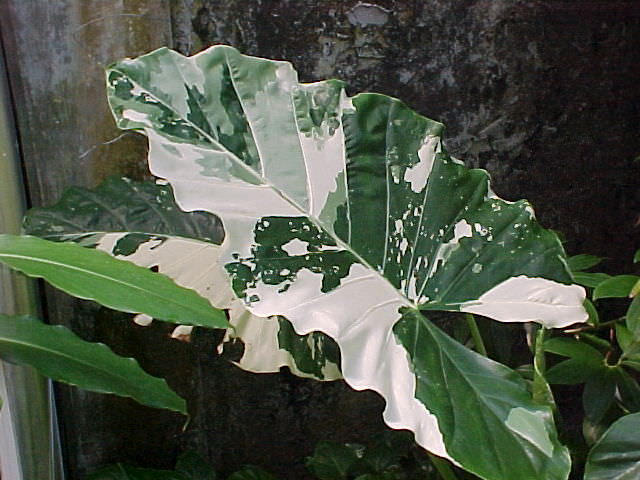
Alocasia Melo, also known as the "Kris Plant," is a tropical plant native to Southeast Asia. It belongs to the family Araceae, which includes other popular plants such as the philodendron and peace lily. The plant is characterized by its large and striking leaves that can grow up to 3 feet long and 1 foot wide. The leaves are heart-shaped with a prominent point at the tip, giving them the appearance of an elephant's ear. The plant's stem is also unique, with a zigzag pattern that adds to its overall appeal.
History and Origins
Alocasia Melo is believed to originate from Insia, particularly the island of Sumatra. It was first discovered in the early 20th century and has since become a popular ornamental plant around the world. The plant's name, "Kris Plant," is derived from the traditional Insian weapon called a Kris. The shape of the plant's leaves is said to resemble the blade of a Kris.
How to Care for Alocasia Melo
Alocasia Melo is a relatively easy plant to care for, but it does require some specific conditions to thrive. Here are some tips to help you care for your Alocasia Melo:
- Light: Alocasia Melo prefers bright, indirect light. Direct sunlight can damage the plant's leaves, so it's best to place it near a window where it can receive plenty of light without being exposed to direct sunlight.
- Watering: Alocasia Melo likes to be kept moist but not waterlogged. Water the plant when the top inch of soil feels dry, and make sure to use a well-draining potting mix to prevent water from pooling at the bottom of the pot.
- Humidity: Alocasia Melo loves high humidity, so it's a good idea to mist the plant regularly or place it on a pebble tray filled with water to increase the humidity around the plant.
- Temperature: Alocasia Melo prefers warm temperatures between 65°F and 85°F (18°C to 29°C). Avoid exposing the plant to cold drafts or temperatures below 60°F (15°C).
Propagation
Alocasia Melo can be propagated through division or by taking stem cuttings. To propagate through division, carefully separate the plant into smaller sections, making sure each section has its own roots and stems. To propagate through stem cuttings, take a cutting from the plant's stem just above a leaf node. Place the cutting in a jar of water or in a pot with moist soil until it develops roots.
Toxicity
Alocasia Melo is toxic to humans and pets if ingested. The plant contains calcium oxalate crystals, which can cause irritation and swelling in the mouth, throat, and digestive system. It's important to keep the plant out of reach of children and pets and to wash your hands thoroughly after handling the plant.
Cultivars
There are several cultivars of Alocasia Melo available, each with its own unique characteristics. Some popular cultivars include:
- Alocasia Melo 'Borneo Giant': This cultivar has larger leaves than the standard Alocasia Melo and can grow up to 5 feet tall.
- Alocasia Melo 'Purple Sword': This cultivar has purple undersides on its leaves, adding a pop of color to any collection.
- Alocasia Melo 'Green Velvet': This cultivar has velvety green leaves that are soft to the touch.
Pests and Diseases
Alocasia Melo is relatively resistant to pests and diseases, but it can still fall victim to common plant problems. Here are some potential issues to watch out for:
- Spider mites: These tiny pests can suck the sap from the plant's leaves, causing them to turn yellow or brown. Regular misting can help prevent spider mites from infesting your plant.
- Mealybugs: Mealybugs are white, cottony pests that can be found on the stems and undersides of leaves. They can be treated with insecticidal soap or by wiping them off with a cotton swab dipped in rubbing alcohol.
- Root rot: Overwatering can lead to root rot, which can cause the plant to wilt and die. To prevent root rot, make sure to use a well-draining potting mix and allow the soil to dry out slightly between waterings.
Where to Buy Alocasia Melo
Alocasia Melo can be purchased from specialty nurseries or online retailers. Make sure to do your research and buy from reputable sellers to ensure you're getting a healthy plant.
Alocasia Melo is a stunning and unique plant that's sure to make a statement in any home or garden. With proper care and attention, this plant can thrive for years to come. Whether you're a seasoned plant enthusiast or just ing your collection, Alocasia Melo is definitely worth considering.
Frequently Asked Questions
Q1. Is Alocasia Melo easy to care for?
A1. Yes, Alocasia Melo is relatively easy to care for as long as it's provided with the right conditions, such as bright, indirect light, high humidity, and well-draining soil.
Q2. Can Alocasia Melo be grown indoors?
A2. Yes, Alocasia Melo can be grown indoors as long as it's provided with proper lighting and humidity.
Q3. How often should I water my Alocasia Melo?
A3. Water your Alocasia Melo when the top inch of soil feels dry. Avoid overwatering, as this can lead to root rot.
Q4. Is Alocasia Melo toxic to pets?
A4. Yes, Alocasia Melo is toxic to pets if ingested. Keep the plant out of reach of pets and wash your hands thoroughly after handling the plant.
Q5. How big does Alocasia Melo get?
A5. Alocasia Melo can grow up to 3 feet long and 1 foot wide, but some cultivars, such as 'Borneo Giant,' can grow up to 5 feet tall.
Q6. Does Alocasia Melo need fertilizer?
A6. Yes, Alocasia Melo benefits from regular fertilization during the growing season. Use a balanced liquid fertilizer every two weeks.
Q7. Can Alocasia Melo be grown outdoors?
A7. Alocasia Melo is a tropical plant and is best grown in warm, humid conditions. It can be grown outdoors in tropical or subtropical climates but may need protection from direct sunlight and cold temperatures.
Q8. What kind of soil does Alocasia Melo need?
A8. Alocasia Melo needs well-draining soil that's rich in organic matter. A mix of peat moss, perlite, and vermiculite works well.
Q9. How often should I mist my Alocasia Melo?
A9. Mist your Alocasia Melo regularly to increase the humidity around the plant. Aim for at least once a day, or more in dry conditions.
Q10. Can Alocasia Melo be propagated from leaf cuttings?
A10. No, Alocasia Melo cannot be propagated from leaf cuttings. It can be propagated through division or stem cuttings.
12 Alocasia melo Images
1000 Images About ALOCASIA Plants On Pinterest Persian Alocasia

Alocasia Drawing Process Illustraties Minimalistisch Design

Alocasia Baginda Silver Dragon In 2021 Alocasia Plant Rare

Lovely Red Secret Alocasia Plant Plant Aesthetic House Plants

7 Alocasia Melo Ideas In 2022 Propagating Plants Alocasia Plant

7 Alocasia Vs Colocasia Ideas In 2021 Colocasia Elephant Ear Plant

Alocasia Baginda Kamerplanten Planten Tuinplanten

1000 Images About ALOCASIA COLOCASIA On Pinterest Elephant Ears

Feeding Alocasias Tips On Fertilizing Alocasia Plants Alocasia Plant

Alocasia Sanderiana Hanging Plants Indoor Alocasia Plant Planting

New Alocasia Maharani Compact Plant Not To Be Confused With Alocasia

EVMB Hoyas Hoya Chouke
Posting Komentar untuk "Alocasia Melo: The Majestic Elephant Ear"